Bookshelf
Resources
Books, essays, and references I keep recommending — on design leadership, agentic AI, and the ethics of building things that act for people. Each one links out.
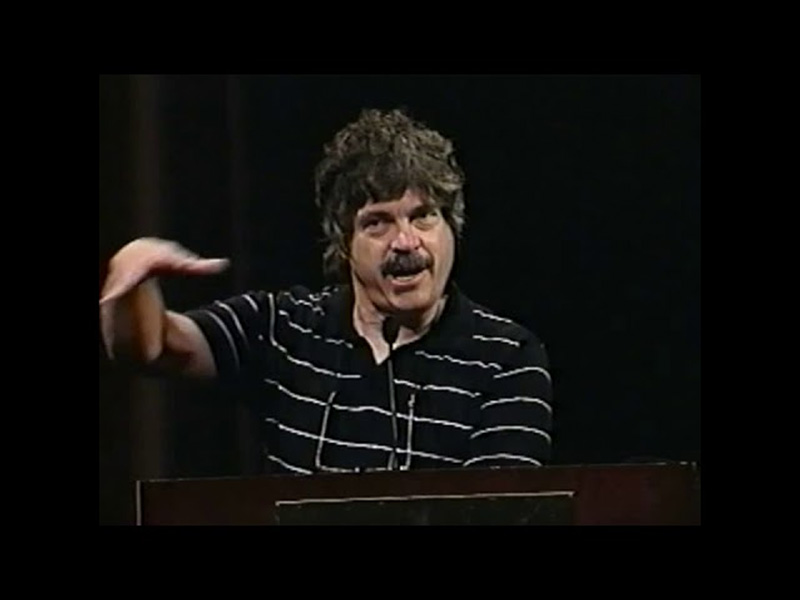
The Computer Revolution Hasn’t Happened Yet (1997)
A still-relevant reminder from the father of the GUI and object-oriented programming is that we have barely begun to use computers as a medium for thought. Fuel for ambition beyond yet one more screen.
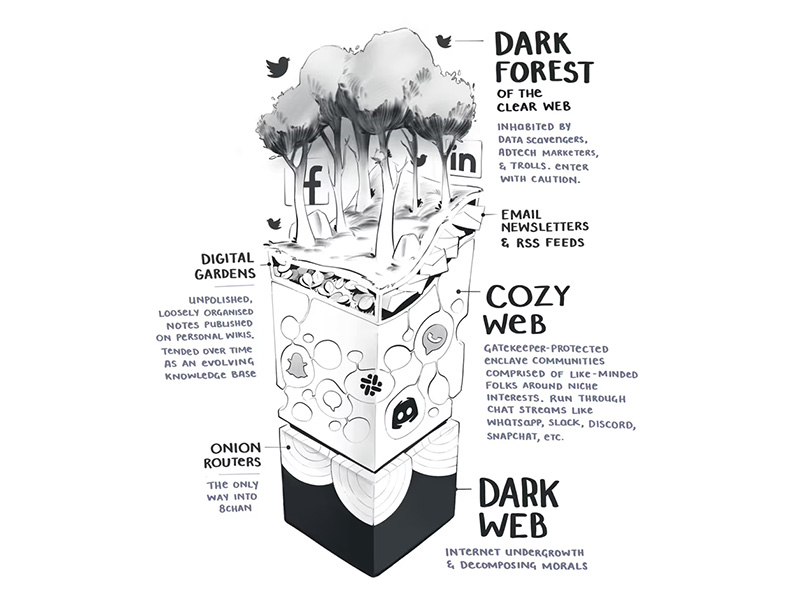
The Dark Forest and Generative AI
An examination of the “dead web” theory and how an explosion of synthetic content changes human trust. It challenges designers to think deeply about how we prove and verify human identity inside software.
The Design of Business
The knowledge funnel from mystery to heuristic to algorithm. A clear account of what design actually contributes to a company, and why we shouldn’t rely solely on metrics and analytical thinking.
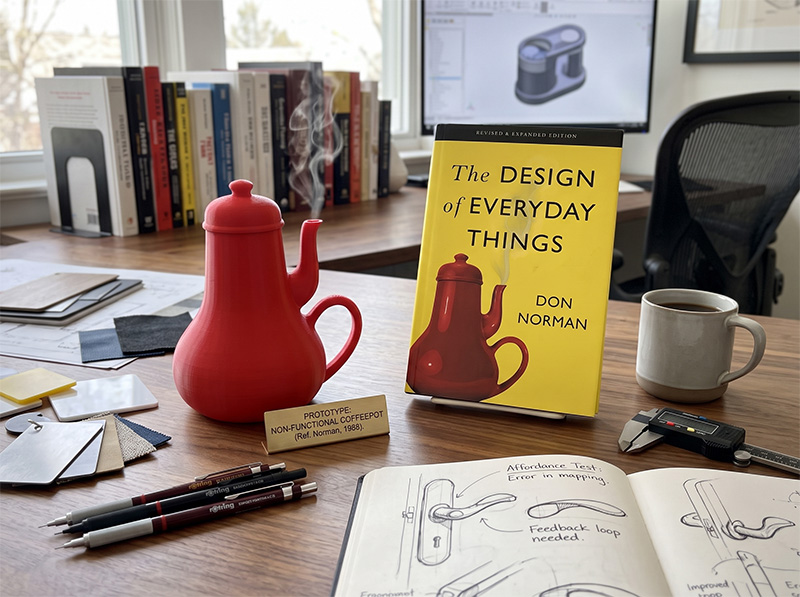
The Design of Everyday Things (Revised)
I met Don at a Google event a few years ago. I’ll never think about door hardware the same way again. This is the foundational text on affordances and signifiers. The examples in the revised version hold up better in our world.
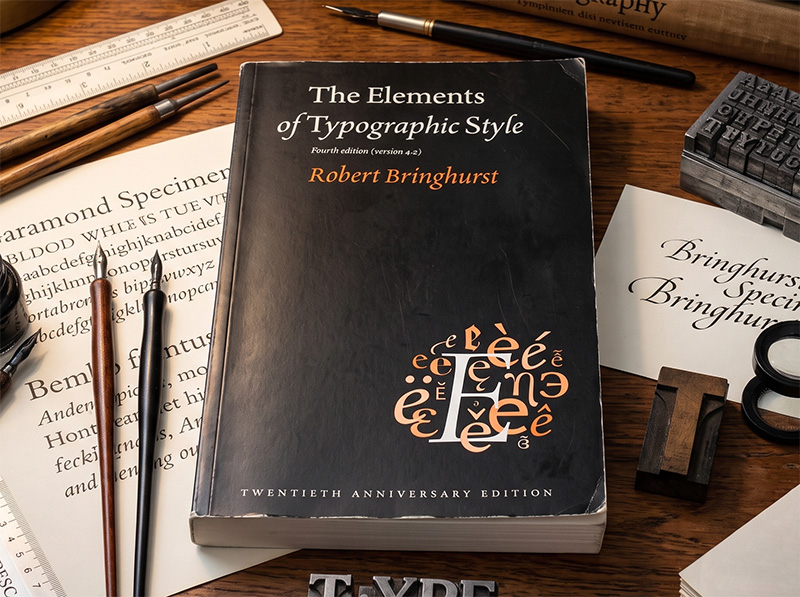
The Elements of Typographic Style (v4)
The standard against which type is measured, and how it scales. Small type, big consequences. A must-have for systems designers.
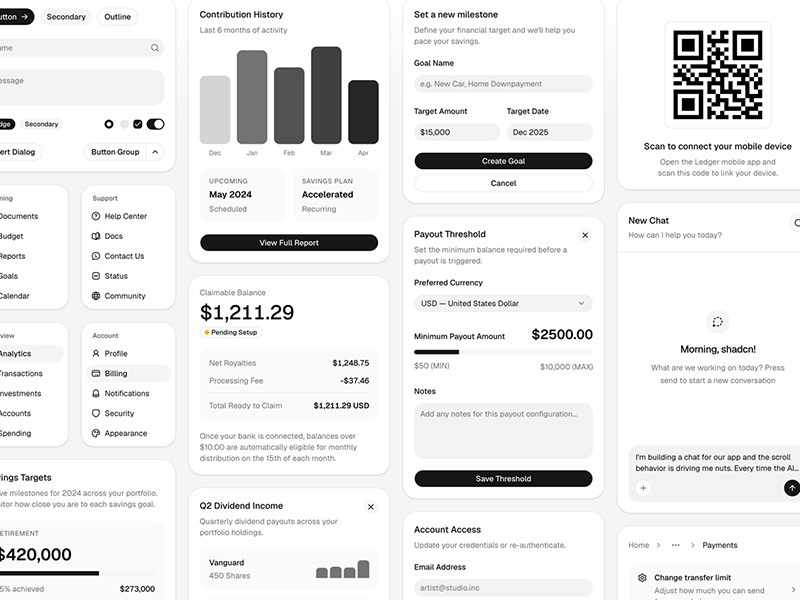
The Foundation for your Design System
Copy-paste, own-the-code components that ended the library-versus-custom standoff. A quietly radical distribution model. It’s my go-to starting point when I start a new side project

The Looking Glass
I haven’t met Julie, but she’s a design leader who has been thinking in public about management, judgment, and scale for years. The closest thing to a mentorship newsletter.
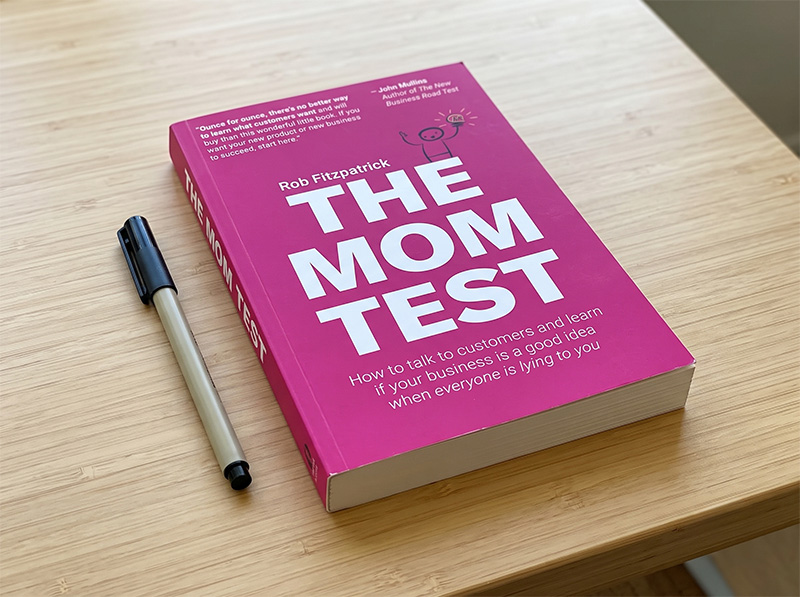
The Mom Test
How to talk to users so they cannot lie to you out of politeness. You know, like your mom. Cheap, short, and it will fix your discovery.
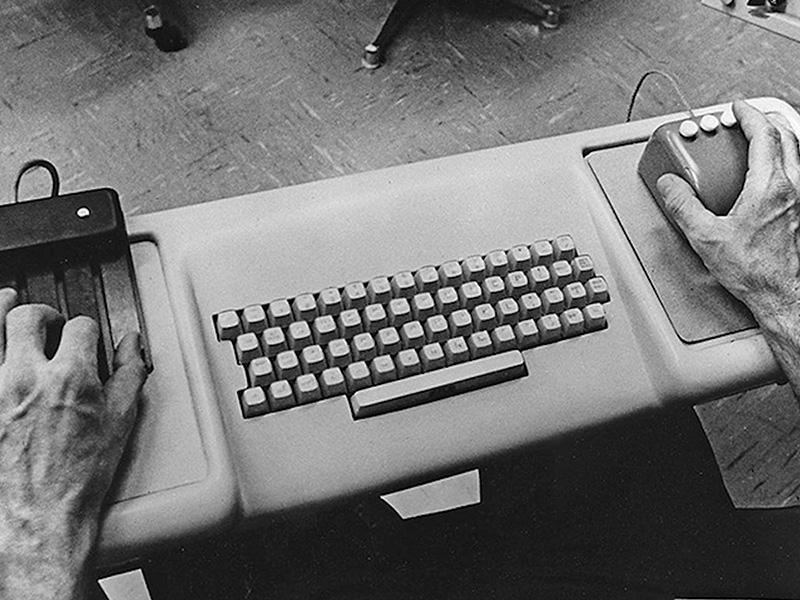
The Mother of All Demos (1968)
The 1968 demo that introduced the mouse, hypertext, and screen-sharing at once. The original vision of augmenting human intellect. I met Douglas when he was working out of a lab at Logitech. Even then, he was still thinking big.

The Rise of “Worse Is Better”
Gabriel argues why the simpler, often uglier thing wins adoption. Essential humility for anyone who wants to ship the right design instead of Dribbble porn.
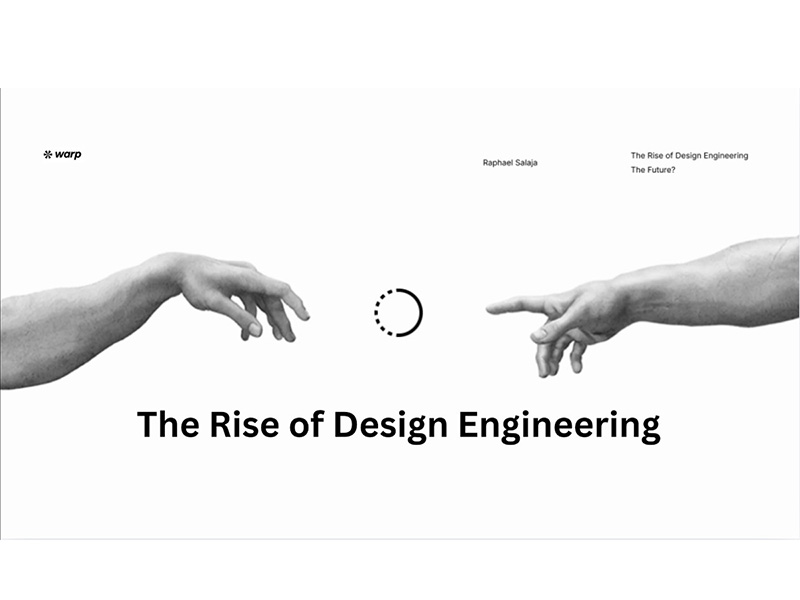
The Rise of Design Engineering
This talk articulates why the wall between code and interface is crumbling in the modern era. In an age dominated by agentic workflows and complex frontend systems, developers who think like designers (and vice versa) hold the ultimate competitive edge.
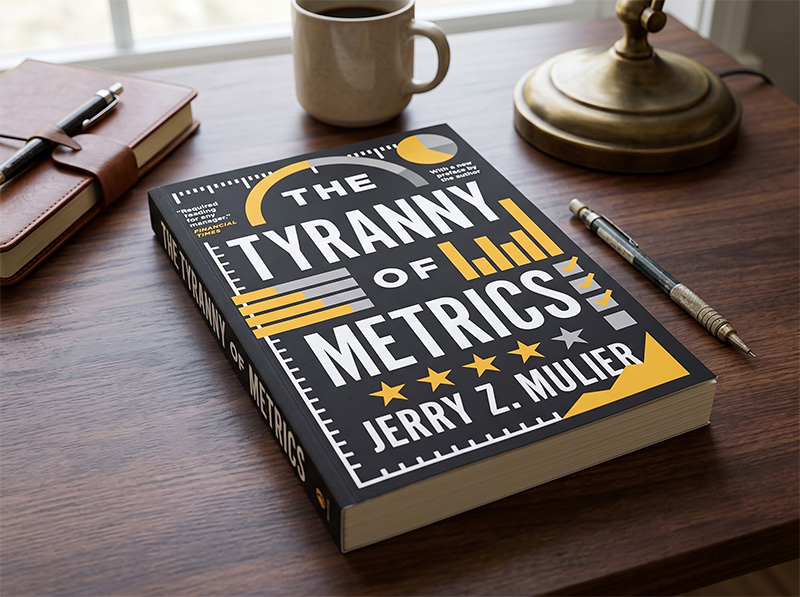
The Tyranny of Metrics
Why optimizing for the number you can measure quietly destroys the thing you actually cared about. Required reading before defending a design at your next KPI review.